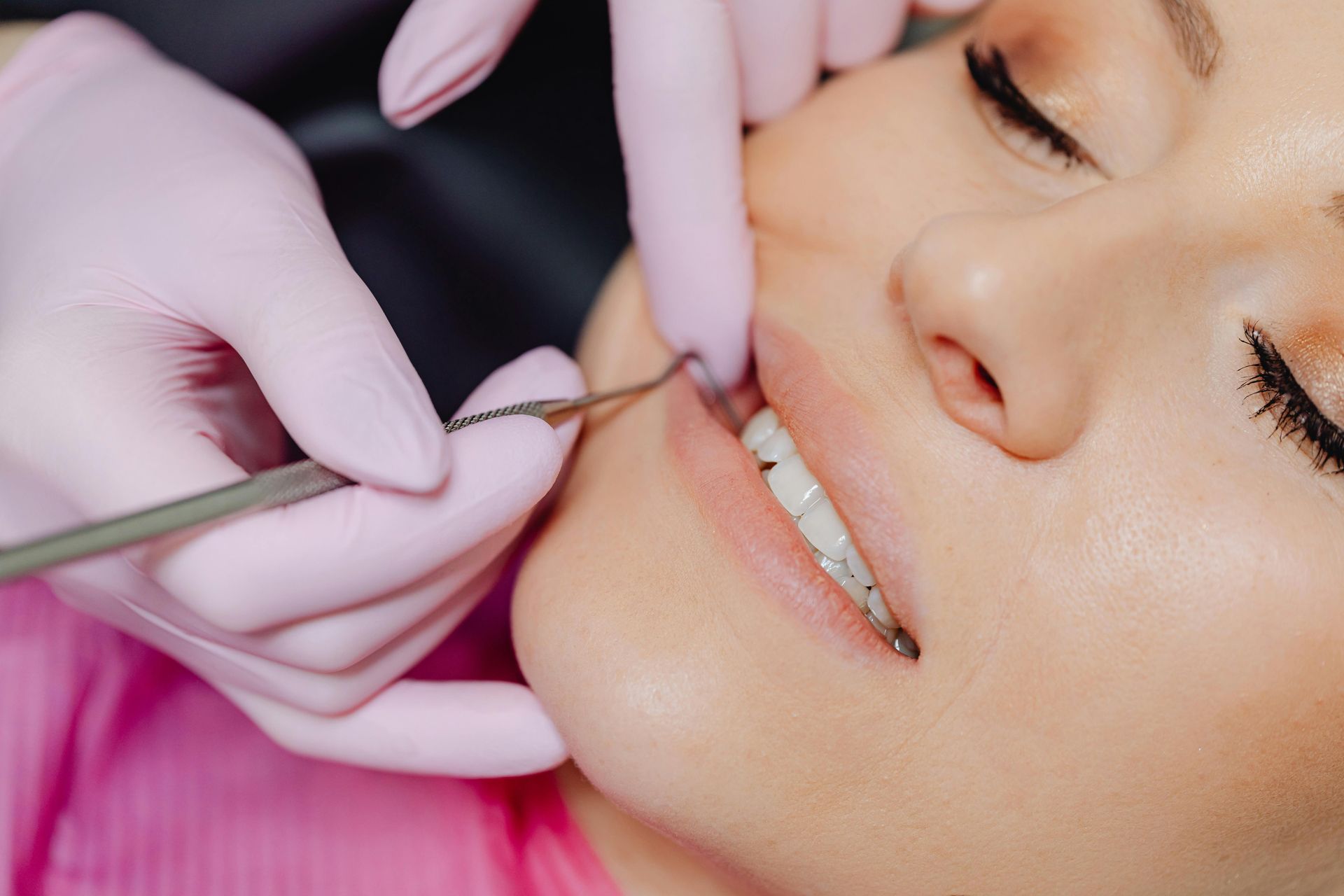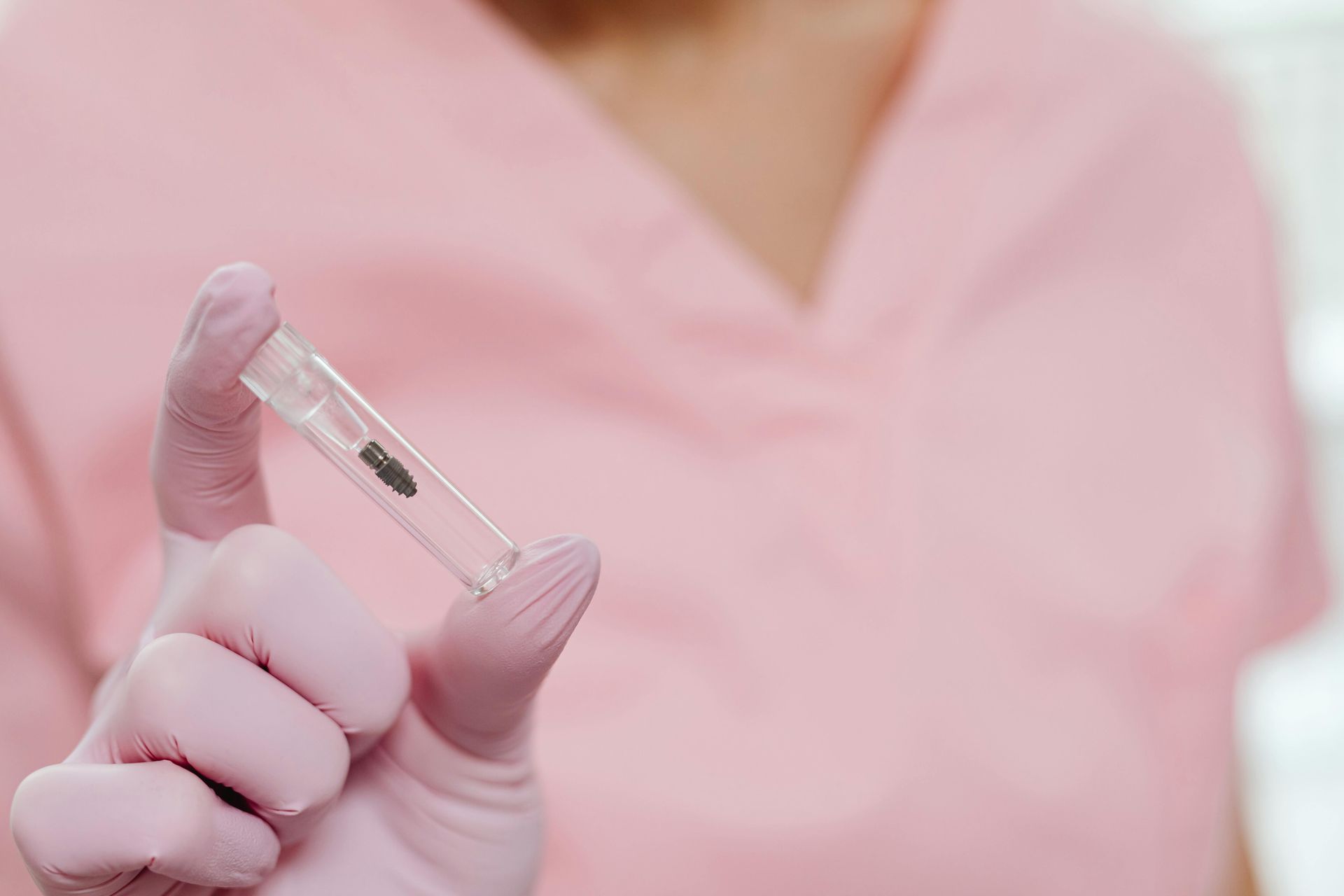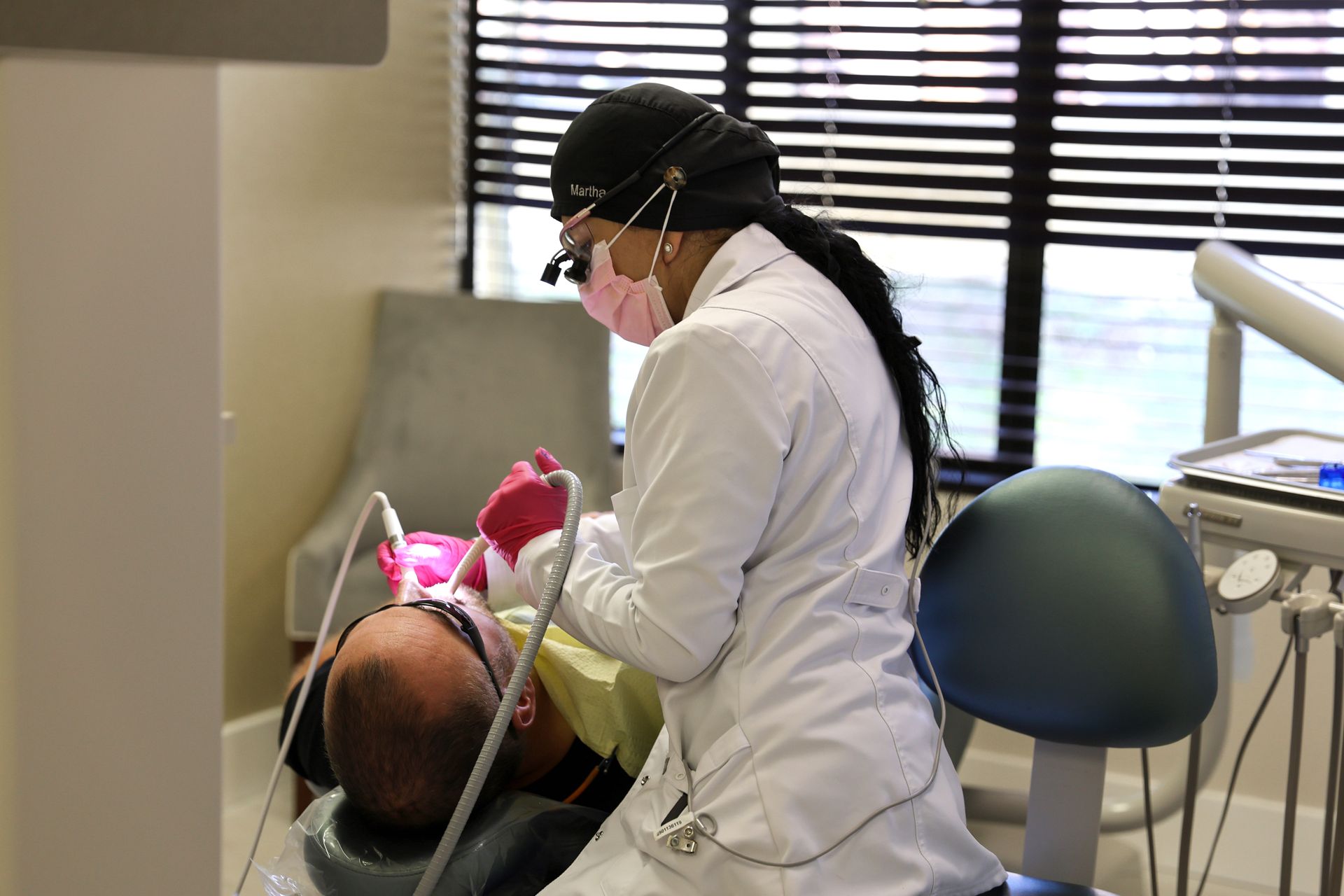

Dental implants are performed under local anesthesia, which means you should not feel pain during the procedure itself. Most patients describe the surgery as less uncomfortable than they expected and the recovery as manageable with over-the-counter pain relief. The fear of pain is almost always worse than the procedure.
Are dental implants actually painful?
The honest answer is: not the way most people imagine. The surgery is performed with local anesthesia, which numbs the treatment area completely. You may feel pressure during the procedure, which is normal, but you should not feel sharp pain. If at any point you are uncomfortable, you tell your dentist and they stop.
The experience after surgery is where most people feel something. Soreness, swelling, and some tenderness around the implant site are normal in the first few days and typically manageable with over-the-counter anti-inflammatory medication. Most patients return to normal activity within a day or two.
What patients most commonly say after their implant procedure is that the anticipation was much worse than the reality. The mental picture of the surgery almost never matches the actual experience. Knowing what to expect in advance is the single biggest factor in how comfortable patients feel going in.
What does the dental implant procedure feel like during surgery?
During the placement surgery, you will be fully numb in the treatment area. You will feel the sensation of pressure as the implant is placed into the jawbone, and you may hear sounds associated with the procedure, which some patients find unexpected. None of that is pain.
The procedure itself is precise and efficient when performed by a well-trained clinician. The surgical discipline that Dr. Nadia Pokrovskaya developed during her time assisting oral surgeons at Harvard-affiliated Brigham and Women's Hospital; during her residency in oral surgery; and during 14 years of practice, means that the placement is performed with the kind of speed and accuracy that minimizes tissue trauma and accelerates recovery.
You are awake during the procedure, which is something some patients are nervous about. Many find that having music or something to focus on makes the experience much more comfortable. The small service dogs at Clearwater Dentist are available during this time for patients who find their presence calming.
She was the most influential person I ever met because of how she operated. She does not make a move unless this move is going to yield a product. She is so fast, A to B, no nonsense. I loved how fast she was and I loved how precise she was. I brought that discipline into my practice.
Dr. Nadia Pokrovskaya on her mentor at Brigham and Women's Hospital
How much discomfort should you expect after implant surgery?
The first 24 to 72 hours after implant placement are typically when patients feel the most discomfort. Soreness at the implant site, mild swelling, and some bruising are all normal and expected. Your dentist will give you specific post-operative instructions and may recommend over-the-counter ibuprofen to manage inflammation.
Most patients find that the discomfort is noticeable but not debilitating. It is different from a toothache, which tends to be sharper and more intrusive. Post-implant soreness is duller, more like muscle soreness after exercise. It responds well to anti-inflammatory medication and usually subsides significantly by day three or four.
If pain is worsening instead of improving after the first few days, that is a signal to contact your dentist. While uncommon, infection or implant displacement can cause escalating pain, and early intervention makes a significant difference in the outcome.
How long does implant pain or soreness last?
For most patients, the most significant discomfort resolves within three to five days of surgery. Mild tenderness or sensitivity at the implant site may persist for a week or two as healing continues. The implant itself takes several months to fully integrate with the bone, but that process does not typically cause ongoing pain.
The timeline for the integration phase is a waiting period, not a suffering period. Patients go about their normal lives during osseointegration. There is nothing to feel while the bone is growing around the implant post. You are simply waiting for the body to complete a process that happens on its own.
Why does surgical precision matter for your comfort?
The level of discomfort a patient experiences after implant surgery is directly related to how precisely the surgery was performed. Implant placement that minimizes unnecessary tissue manipulation, uses the correct technique for that patient's specific bone anatomy, and accounts for the exact final position of the restoration leads to faster healing and less post-operative discomfort.
This is why training matters. The no-nonsense surgical precision Dr. Nadia absorbed at Brigham and Women's Hospital was not just about speed. It was about doing exactly what needs to be done, in exactly the way it needs to be done, without a single unnecessary move. That discipline directly benefits every patient who sits in her chair.
You deserve a clinician who trained at a level that makes your recovery as short and as comfortable as possible. That is not a luxury. That is the standard of care.
FREQUENTLY ASKED QUESTIONS
Are dental implants painful to get?
The procedure is performed under local anesthesia, so you should not feel pain during surgery, only pressure. Post-surgical soreness in the first few days is normal and manageable with over-the-counter anti-inflammatories. Most patients report the experience was far less uncomfortable than they anticipated.
How long does pain last after a dental implant?
Most significant discomfort resolves within three to five days. Mild tenderness may continue for one to two weeks. The months of osseointegration that follow are generally pain-free. If pain is worsening after the first few days rather than improving, contact your dentist promptly.
Is dental implant surgery done under anesthesia?
Yes. Local anesthesia is used to completely numb the treatment area during implant placement. You are awake but should not feel pain, only pressure. Sedation options may also be available for patients with significant dental anxiety. Discuss your comfort preferences with your dentist before the procedure.
What helps with dental implant pain after surgery?
Over-the-counter ibuprofen or acetaminophen, ice packs applied to the outside of the face, soft foods for the first few days, and keeping the area clean without disturbing the surgical site. Follow your dentist's specific post-operative instructions, which are tailored to your procedure.
Are dental implants more painful than tooth extraction?
Most patients who have had both describe implant placement as similar to or less uncomfortable than a tooth extraction. The surgical site is comparable in size and the anesthesia management is the same. Recovery from implant placement is typically straightforward for patients in good overall health.
Ready to take the first step?
Clearwater Dentist is accepting new patients. Call (727) 797-8444 or visit clearwaterdentist.com to schedule. No judgment. Just a fresh start.
1700 McMullen Booth Rd, Suite A1, Clearwater, FL 33759