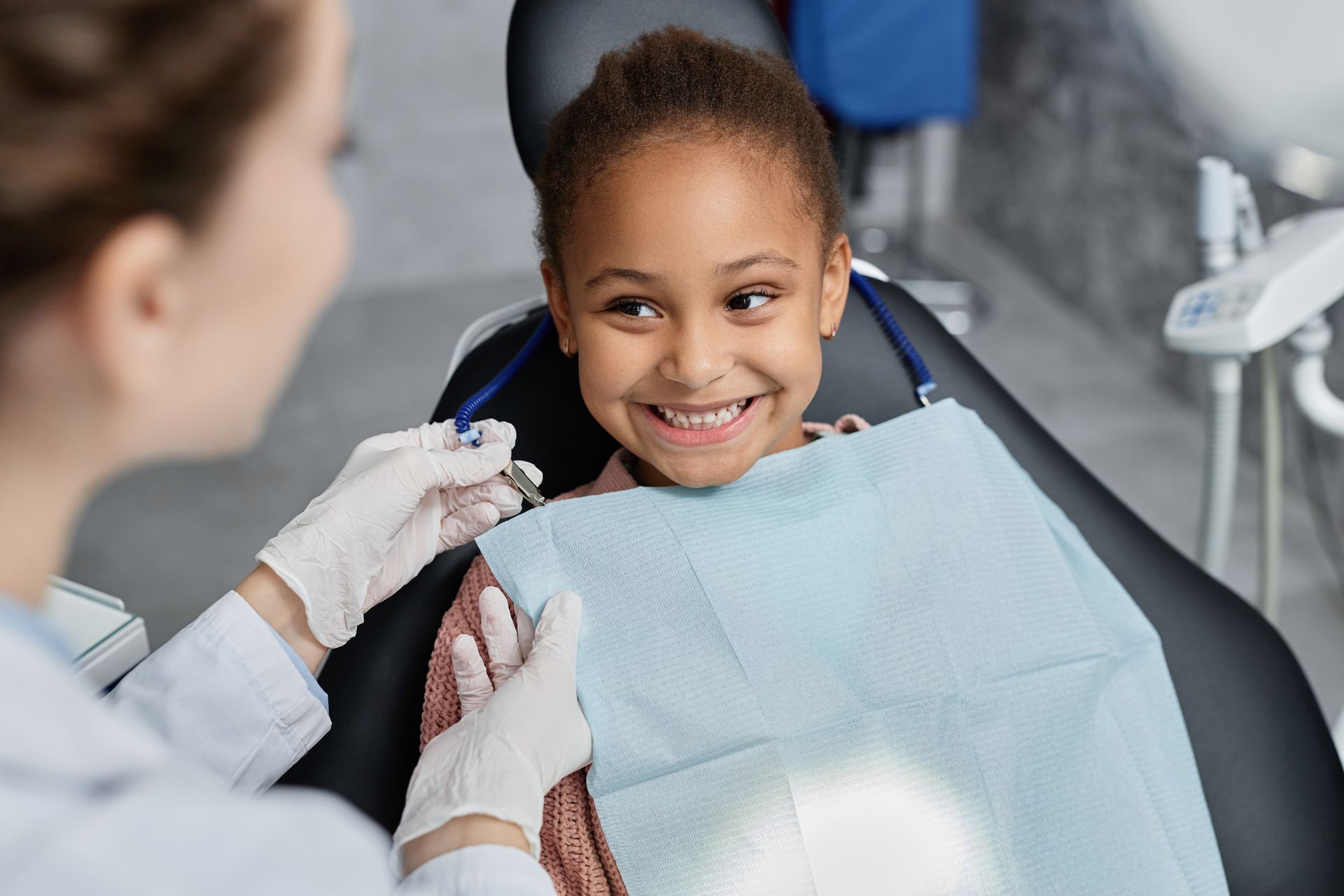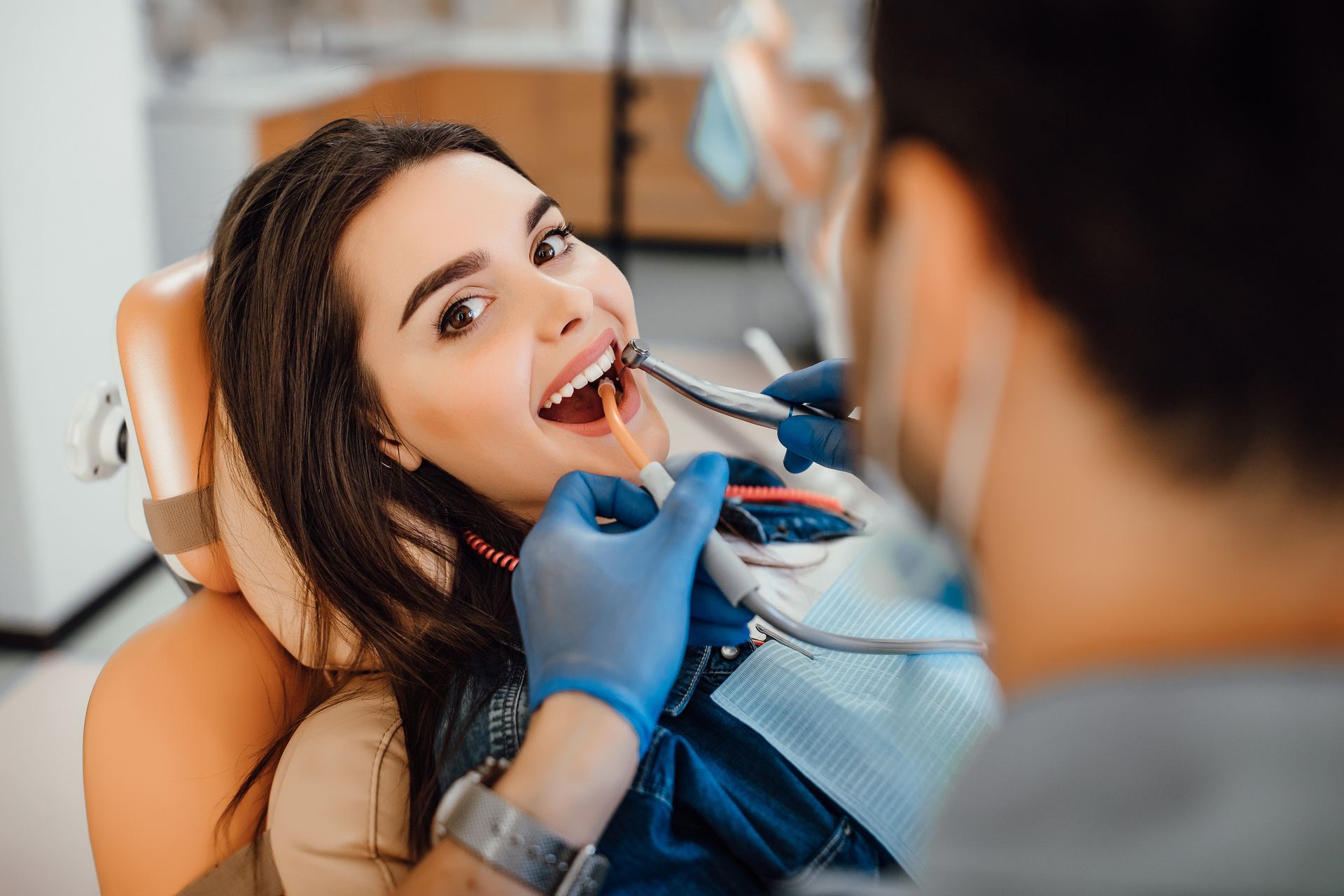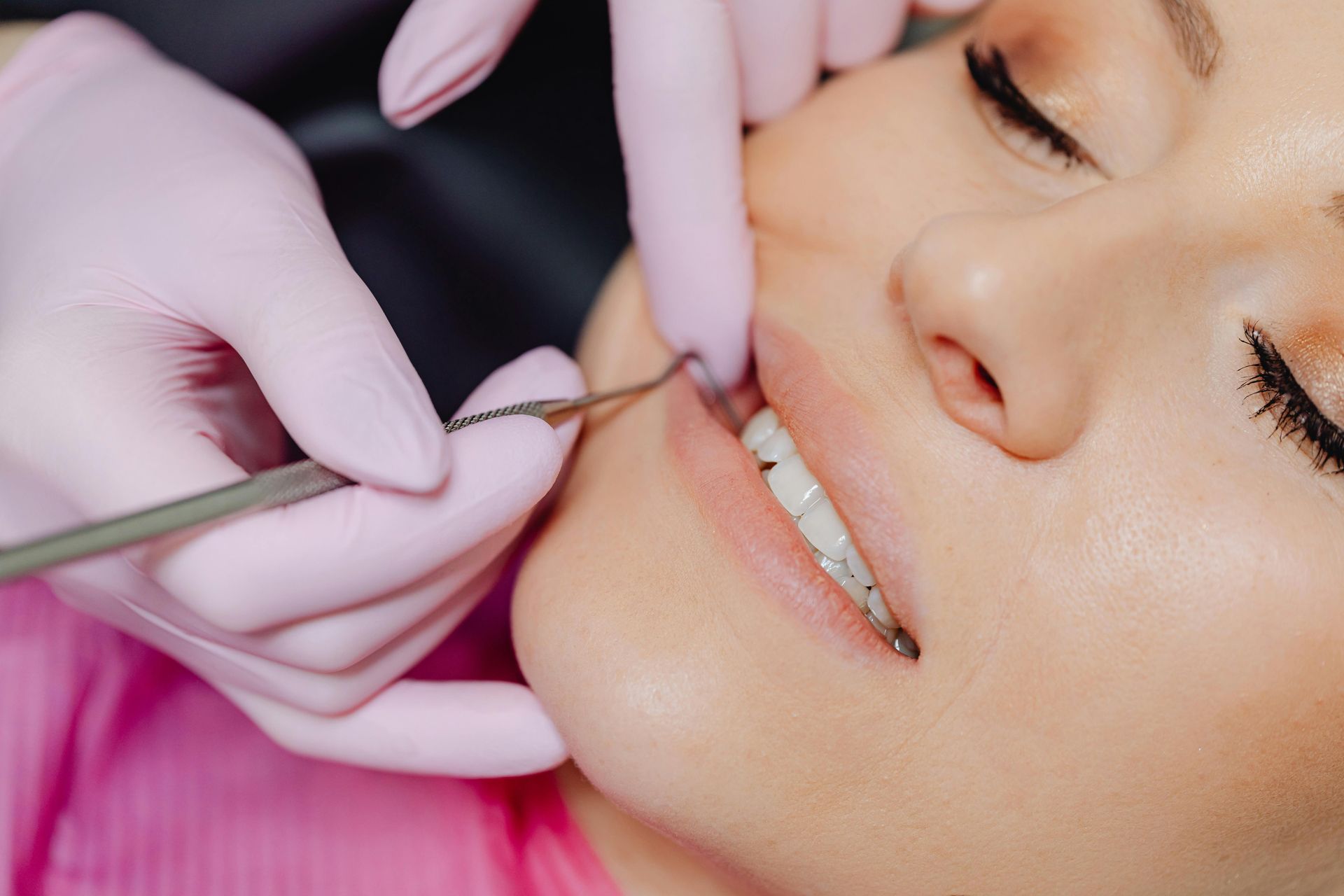
If you have been avoiding the dentist because you are afraid, you are not alone and you are not doing something wrong. Dental fear is one of the most common reasons people delay care, and it is completely understandable. The anticipation of pain, the sounds, the feeling of vulnerability in that chair, all of it is real. What you need is not a lecture about it. What you need is a dentist who actually gets it and has built their entire practice around that reality.
An Honest Confession
Dr. Nadia has a somewhat unusual perspective on dental fear: she used to share it. Before dental school, before assisting, before any of it, she was someone who only went to the dentist when something hurt. And by then, of course, she was already scared because it already hurt and now someone was going to touch it.
That experience shapes how the practice operates. Not theoretically, but practically. The fear patients bring through the door is not a problem to be managed. It is information to be taken seriously.
I used to be one of them. I only went when it hurt. And when it hurts, you are already scared because now someone is going to touch it and it is going to hurt more.
Why Avoidance Makes Everything Harder
The fear that keeps people away from the dentist makes a painful kind of sense. If you had a bad experience, or if you just hate how the chair feels, or if you are embarrassed about how long it has been, staying away feels safer than going back.
But here is what actually happens in the mouth when care is delayed. Problems that could have been caught early and fixed simply grow into problems that are more complex, more expensive, and more uncomfortable to treat. Dental pain does not resolve on its own. When it goes away for a while and comes back, it comes back worse. The thing you were avoiding has become larger by the time you finally cannot avoid it anymore.
Coming in before it hurts is always better than coming in because it already does. And there is never a lecture about how long it has been. The conversation is always about where things stand now and what the best path forward looks like.
What to Look For in a Dentist When You Have Dental Anxiety
Finding the right dentist when you are anxious is not about finding the cheapest option or the most convenient location. It is about finding someone whose entire approach is built around making that experience safe for you. Here is what to look for specifically:
- No judgment about how long it has been. The conversation is always forward-facing.
- Transparency about every step. Nothing happens without your full understanding and consent first.
- Sedation options. Oral conscious sedation changes the experience entirely for anxious patients.
- A pace that matches yours. You are not rushed. Questions are answered before anything begins.
- An environment that does not feel clinical and cold. Comfort is part of the treatment.
Meet Barbie and the Therapy Team
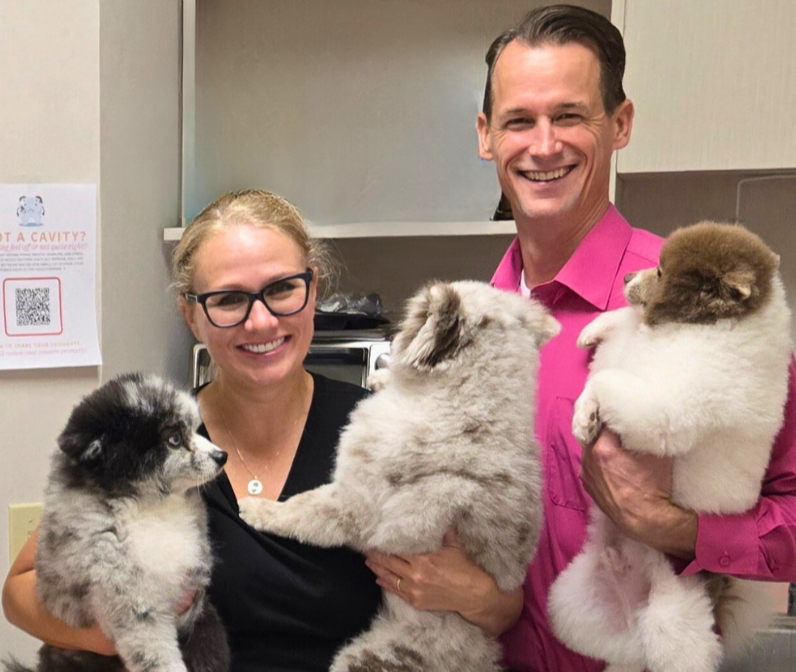
Barbie is a certified therapy Pomeranian and she is one of the most effective tools in the practice for anxious patients. She is a rescue from Ukraine, she is certified as a medical support dog, and she has a gift that is genuinely difficult to explain: she knows when a patient needs comfort.
When anesthetic is being administered, patients who want to hold Barbie consistently report that they forget the injection is happening. Their focus is entirely on her. That is not a nice bonus. That is a clinical outcome.
The practice also keeps blankets and pillows available because comfort is not separate from care. Anything that makes the environment feel less like a dental office and more like a place where you are genuinely welcomed is worth having.
When people walk in and see Barbie, they forget they are in a dental clinic. It is all about Barbie. That is exactly the point.
What Sedation Actually Does
Oral conscious sedation uses a medication called Halcion, taken before the appointment. It produces a deeply relaxed state. Patients are technically awake and can respond to questions, but most are so calm that the procedure happens without distress and without much memory of it afterward.
Patients who use sedation consistently describe the experience as surprisingly easy. They come in expecting their worst day and leave having had a largely unremarkable one. That gap, between what they feared and what happened, is where dental fear starts to change.
The Hardest Part Is Walking Through the Door
Everything after that is the responsibility of the practice. The evaluation, the treatment plan, the explanation of every step, the management of discomfort, the follow-up, all of it. Your only job is to get there.
The door is genuinely the hardest part. Not the procedure. Not the injection. The decision to come in after years of putting it off is the most difficult moment in the entire process. Once you are there, you are in the right hands.
Frequently Asked Questions
How do I find a dentist if I have severe dental anxiety?
Look for a practice that offers sedation, has a non-judgment policy about time away, and explains every step before it happens. The right dentist treats anxiety as information, not an inconvenience. Clearwater Dentist specializes in exactly this.
What helps with dental anxiety during an appointment?
Oral conscious sedation produces a deeply relaxed state for anxious patients. Therapy dogs, blankets, and a practice that is not in a hurry all meaningfully reduce anxiety before any procedure begins.
Is it okay to tell my dentist I am scared?
Not only is it okay, it is important. A dentist who takes your fear seriously will adjust their approach accordingly. Nothing should happen without your full understanding and consent first, regardless of anxiety level.
What if I have not been to a dentist in 10 years?
There are no lectures here. The conversation is always about where things stand now and what the best path forward looks like. Many patients come in after a decade or more away. The first step is just making the call.
What is oral conscious sedation for dental procedures?
Oral conscious sedation uses a medication called Halcion taken before your appointment. It produces a deeply relaxed state. Most patients have little memory of the procedure and find the experience much easier than expected.
Ready to Take the Next Step?
Clearwater Dentist | Dr. Nadia Pokrovskaya
1700 McMullen Booth Rd, Suite A1, Clearwater, FL 33759
Call:
(727) 797-8444
|
clearwaterdentist.com
Internal link: clearwaterdentist.com/dental-implants